GHANA INVESTMENT FUND FOR ELECTRONIC COMMUNICATIONS
Bridging the Digital Divide
Bridging the Digital Divide
Enabling Inclusive Access To Electronic Communication
Across Ghana
GIFEC drives the digital transformation of Ghana through strategic programmes focused on expanding rural connectivity, equipping institutions with ICT infrastructure, and building the digital skills.
One Million Coders is advancing Ghana’s digital transformation by equipping a new generation of tech leaders with essential skills for the future. Under the visionary leadership of H.E. John Dramani Mahama.
Read More
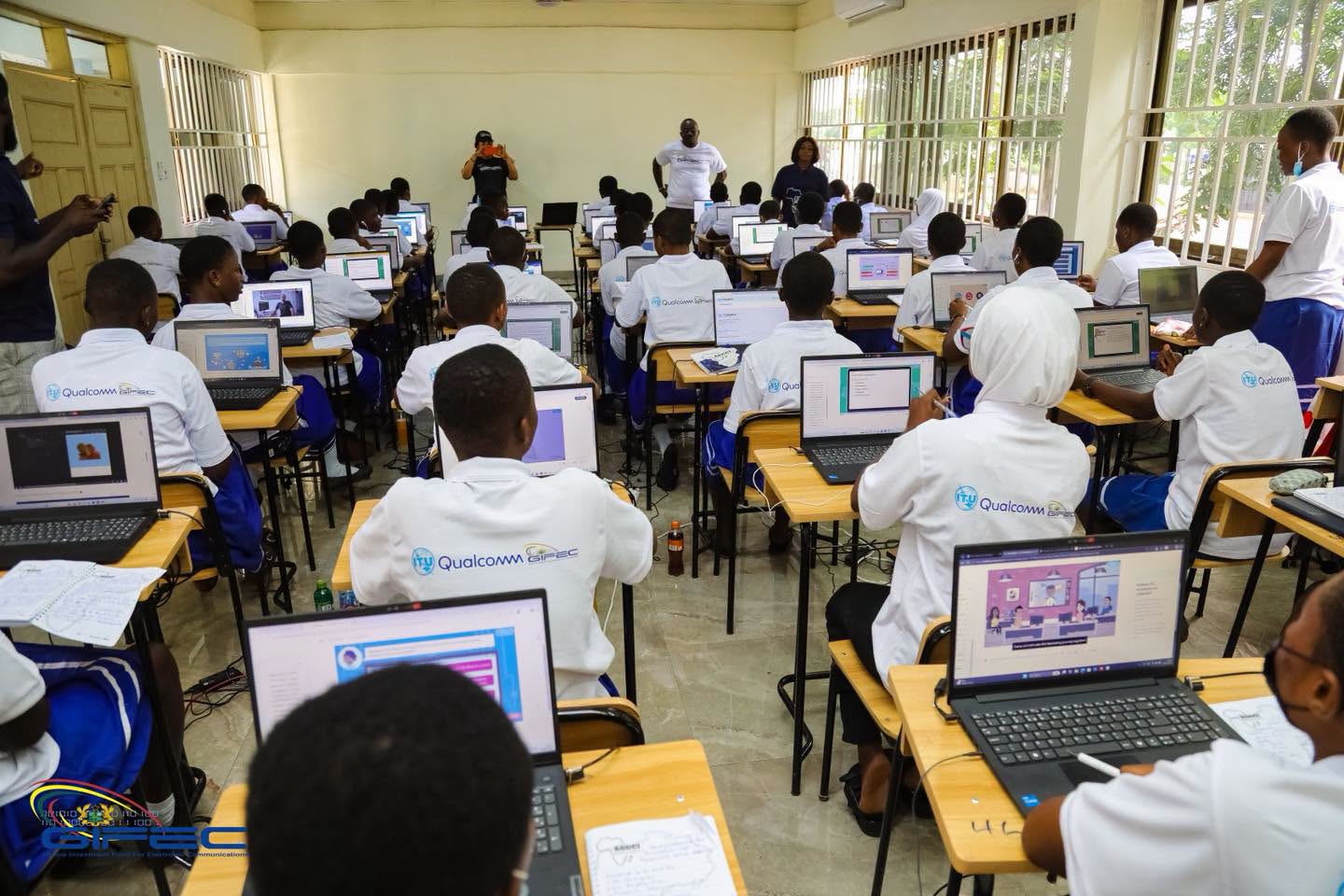
Equip schools and ICT centers with digital equipment
Read More
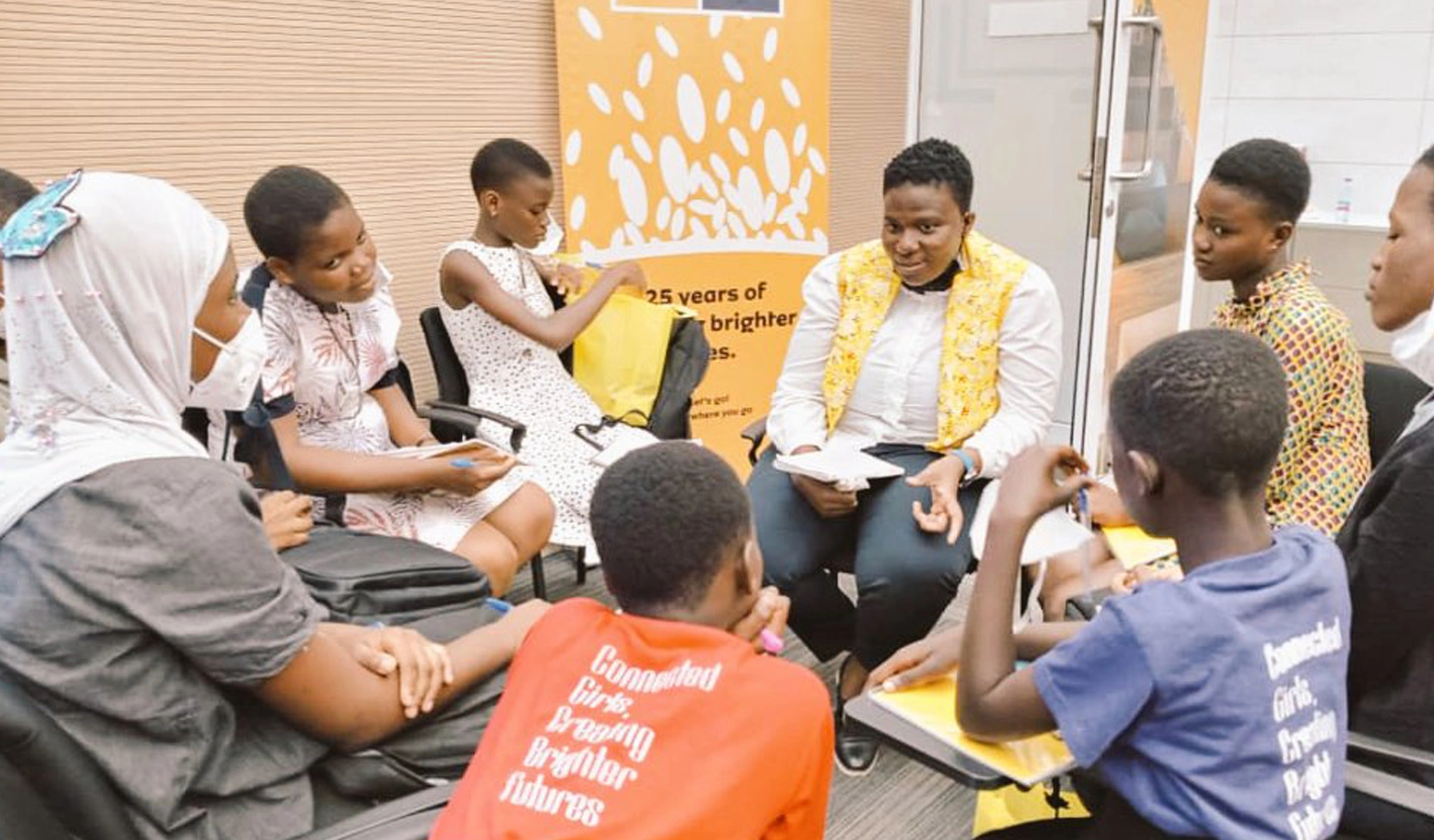
GIFEC’s ICT Capacity Building Programme forms part of our core mandate close the Digital Divide. The Programme seeks to promote and expand the use and benefits of ICTs to the public by supporting a range of digital literacy and skills development.
Read More
Explore detailed information about our key initiatives and their impact
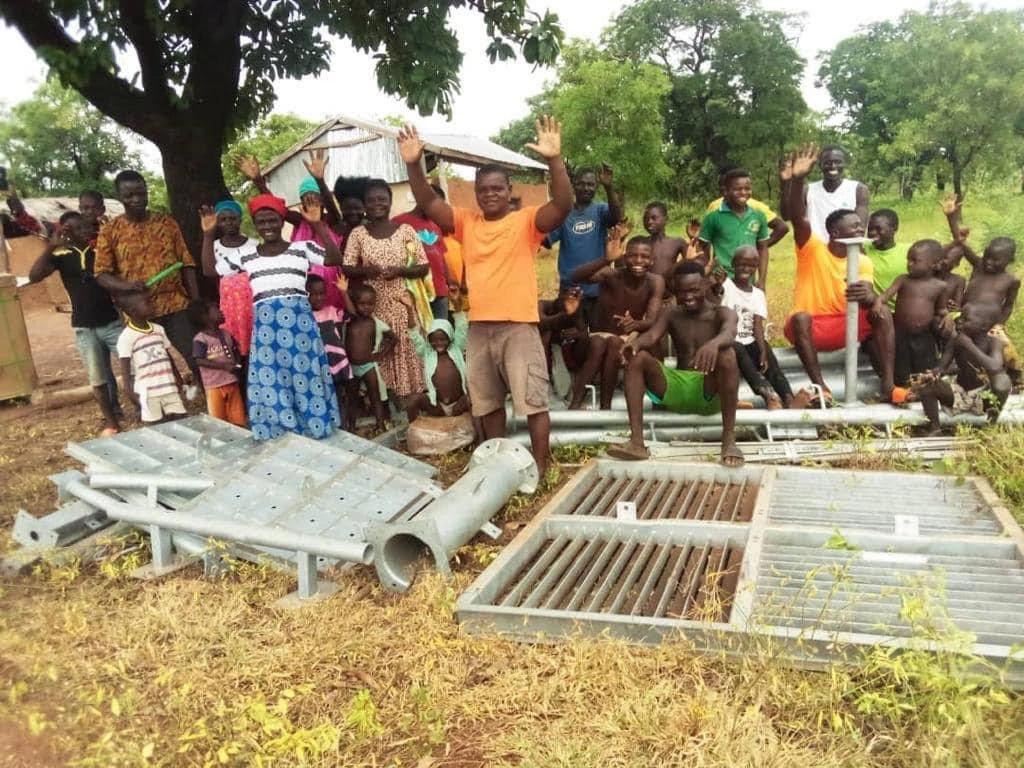
The Rural Connectivity Programme seeks to extend the coverage of mobile telephone services as far as possible into all areas of the country where access to such services are not adequately available, and where existing licensed operators have proven unwilling or unable to expand their networks, due to commercial or other technological constraints. The programme also ensures the provision of Internet Points of Presence in underserved and unserved communities.
RTP is the flagship project of GIFEC that seeks to extend telephony access to all Unserved and Underserved communities in the country.
The Mobile Network Operators (MNOs) typically serve communities that are commercially viable, leaving many low-income communities without telephony coverage. These are the communities that we define as Underserved or Unserved, which GIFEC seeks to cover, towards achieving our mandate of Universal Access.
The GIFEC RTP establishes telecommunication infrastructure in rural areas, in partnership with the MNOs and other technology providers in the ecosystem such as Huawei, American Towers Corporation (ATC), Helios Towers Ghana (HTG), etc.
The RTP has evolved over the years, cumulatively constructing 120 Telephony Sites, comprising Common Telecom Facility (CTFs) and other Rural Telephony Sites, between 2008 and 2018.
A satellite Hub was introduced in 2016 as part of the RCP, backhauling some of the Rural Sites as well as providing Internet Access to some hard-to-reach communities.
The installation of a VSAT hub is to provide access to voice and data services for remote communities in the country.
It is to also provide the same satellite communication services, delivering a terrestrial-grade experience with voice and data that can be extended to all unserved communities in Ghana.
The hub connects the following:
Between 2017 and 2019, GIFEC entered a Tripartite partnership with Huawei and MTN to deploy 413 Rural Sites, a project that introduced the award-winning Rural Star UMTS 900 Technology.
The project connects rural communities in Ghana with population below 1,000, with voice and data services.
The project adopts the following:
The purpose of this programme is to facilitate efforts and support full-service internet connectivity, services, and facilities to designated unserved/underserved communities, institutions and schools in Ghana, delivering broadband access that is available to all potential users within each service area. The following projects are being executed under the Cyberlabs Programme:
The School Connectivity Project involves the provision of high-speed computers, printers, scanners, projectors and servers to educational institutions, to facilitate the use of ICT in teaching and learning, and ICT Capacity Building.
The project involves the establishment of Community ICT Centers (CICs), within designated locations to provide community-wide access to full-service Information and Communication Technology (ICT), at publicly available locations.
The Community ICT Centre is a hybrid profit-making tele-centre and a non-profit community resource centre intended to provide business services and access to eGovernment services to remote communities.
These centres also function as Training Centres for GIFEC’s Capacity Building Programme including the DTC, ISEWE.
These centres also function as Training Centres for GIFEC’s Capacity Building Programme including the DTC, ISEWE.
The breakdown of the achievements of the Programme, are as follows
Total number of labs
GIFEC’s ICT Capacity Building Programme forms part of our core mandate close the Digital Divide. The Programme seeks to promote and expand the use and benefits of ICTs to the public by supporting a range of digital literacy and skills development, education and ICT awareness projects.The Programme prioritises the effective use of digital technologies to promote the teaching and learning of ICT, with a special focus on Entrepreneurship and Local Economic Development, particularly in Underserved and Unserved communities. The Programme comprises the following:
The Digital Transformation Centers (DTC) Project collaboration with the International Telecommunications Union (ITU), Cisco and the Norwegian Agency for Development (NORAD), seeks to train at least 17,000 Citizens (Women Entrepreneurs, School Dropouts, Artisans, the Youth, etc.) in 3 years (from 2020 to 2023), to equip them with basic digital skills to enhance their capacity to use technology and improve their lives and businesses.
This Project has a Coding Clubs component that aims to set up 17 Clubs, training at least 1,500 basic school students, most of them girls, in Scratch and Python computer programming, towards enhancing their interest in STEM.
Digital Transformation Centers (DTC) Project in collaboration with the German Development Agency – GIZ aims to equip beneficiaries with employable skills and capacities to start their own businesses. So far, the project has been delivered in the 2022 only, training 2,650 citizens, including 150 Persons With Disability (PWDs).
Coding for Kids (C4K) is a typical GIFEC Project that aims to train as many Basic School children as possible in basic Coding, geared towards increasing their interest in STEM.
Girls in ICT (GIICT) is an ITU annual event designed to build the interest of young girls in ICT. Originally a one-day event, it has since been enhanced by the Honourable Minister of Communications and Digitalisation, evolving over the years, as follows:
ICT Skills for Entrepreneurial and Women Empowerment Program (ISEWE) is a collaboration with UNESCO which seeks to equip women entrepreneurs with ICT skills. The project aims to train 700 women entrepreneurs within a period of 2 years (from 2021 to 2022, albeit slightly delayed and expected to extend into 2023).
ICT Teachers Training is one of GIFEC’s Capacity Building Projects, aimed at equipping ICT teachers with the requisite skills to effectively manage CyberLabs.
Artisanal Training is a GIFEC Capacity Building Project that provides Digital Skills to Artisans such as Hairdressers, Mechanics, Dressmakers, and Beauticians to enable them to expand their businesses and trade.